
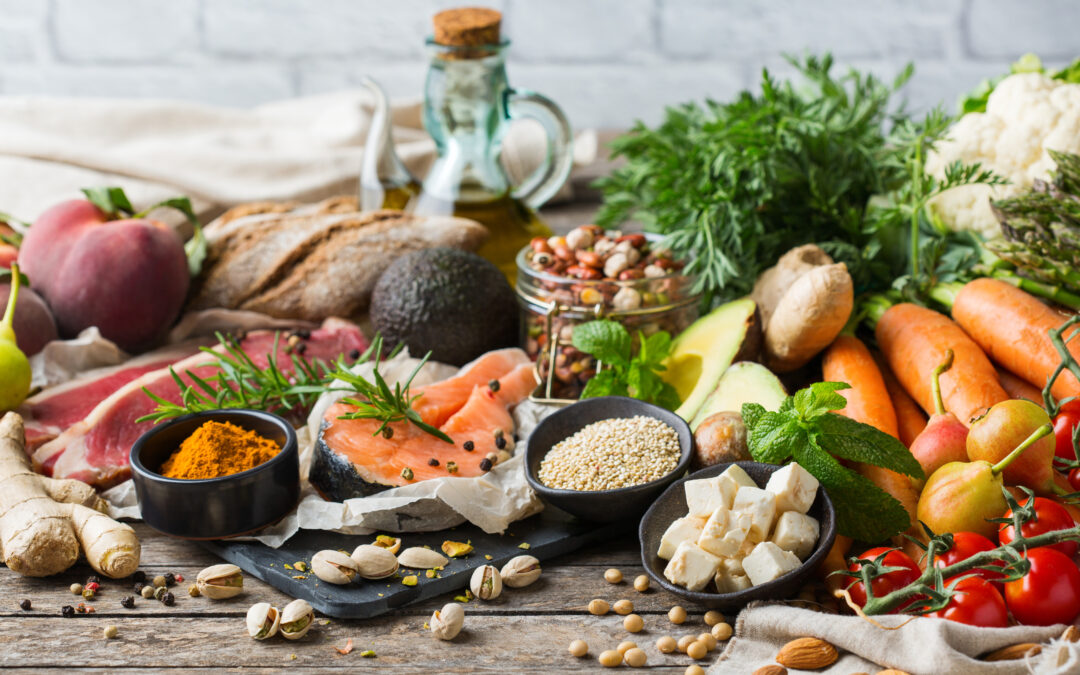
The Mediterranean way of eating and living has long been celebrated for its heart-health benefits, but mounting evidence also highlights its profound role in cancer prevention and survivorship.
Research links the Mediterranean diet with a reduced risk of overall cancer mortality as well as a reduced risk of developing several different types of cancer, including colorectal cancer and cancers of the breast, stomach, pancreas, prostate, bladder, cervix, endometrium, head and neck, and lung. (Most of the studies these associations are based on are observational, which means they cannot prove cause and effect. Further research is needed to fully understand the mechanisms and the extent of the benefits.)
The traditional Mediterranean diet remains popular around the Mediterranean, even though Western eating patterns are increasingly making inroads into the region:
- Plenty of plant foods: Fruits, vegetables, legumes, whole grains, nuts, seeds, herbs, and spices form the backbone of the Mediterranean diet, and provide a wealth of different fibers and plant chemicals (polyphenols) with powerful antioxidant and anti-inflammatory properties. The recipe section of this website contains over 100 simple, tasty, plant-rich meals bursting with vegetables, fruits, legumes, nuts, seeds, herbs, and spices.
- Nourishing fats: Extra-virgin olive oil, nuts, and seeds are primary fat sources. Regular consumption of fatty fish like sardines, mackerel, or salmon supply cancer-protective omega-3 fats.
- Moderate meat intake: Fresh meat, like chicken and lamb, is popular and enjoyed in moderate-size servings accompanied by vegetables and healthy fats. These meats are often gently prepared; for instance, meats are marinated, which significantly reduces carcinogen formation during grilling, or slow-cooked with aromatic herbs and spices. Processed meats like Italian salami and prosciutto or Spanish chorizo and jamon are popular, but they typically do not contain nitrates and nitrites, additives linked to increased risk of colorectal cancer.
- Dairy foods like cheese, yogurt, labne, and kefir, often made with sheep or goat milk and fermented with healthy bacteria, are a key part of Mediterranean eating. Since Mediterranean cheeses tend to be rich in fat and flavor, a little goes a long way.
How Mediterranean Nutrition Protects Against Cancer
Anti-inflammatory. Chronic inflammation drives cellular and DNA damage and tumor growth. Key Mediterranean diet components are anti-inflammatory:
- Polyphenols in olive oil, fruits, vegetables, nuts, legumes, herbs & spices support healthy gut microbes, reduce oxidative stress, and help regulate inflammatory compounds (more here).
- Omega-3 fatty acids from oily fish suppress enzymes linked to colorectal cancer (more here).
Antioxidant protection. Oxidative stress contributes to mutations in oncogenes and tumor suppressor genes. The diet’s antioxidant-rich foods neutralize free radicals:
- Vitamin E (olive oil, nuts, seeds, avocado, and some vegetables) and vitamin C (citrus fruits, peppers, cruciferous vegetables) protect cell membranes and DNA (more here).
- Carotenoids in tomatoes and leafy greens reduce breast cancer risk by modulating estrogen metabolism (more here).
Gut microbiome support. A healthy gut microbiome is critical for immune function and metabolizing carcinogens:
- Studies show improved gut microbial diversity in people following a Mediterranean eating pattern, which, in turn, is linked to a lower risk of certain of cancers (like colorectal cancer) and improved response to cancer treatments (chemoradiation for cervical cancer or immunotherapy for triple-negative breast cancer).
- Fiber from whole grains and legumes feed beneficial bacteria that produce short-chain fatty acids, which induce apoptosis in cancer cells (more here).
- Polyphenols promote gut species associated with lower colorectal cancer risk (more here).
Hormonal regulation. Phytoestrogen-rich foods contain compounds like isoflavones, lignans, and flavonoids that can lower the risk of hormone-sensitive cancers, like breast, ovarian, and endometrial cancer, through mechanisms such as hormonal regulation, anti-inflammatory effects, and antioxidant activity. These foods include seeds, nuts, fruits, vegetables, legumes, and whole grains. Studies show:
- Ovarian cancer: higher dietary intake of phytoestrogens associated with a 31% reduced risk (here).
- Endometrial cancer: higher isoflavone intake linked to a 41% lower risk, and lignans to a 32% lower risk, particularly in postmenopausal women (here).
- Breast cancer: flaxseed intake associated with an 18–24% lower risk (here), especially in postmenopausal women (here). Observational studies also link high intakes of soy foods to a 29% lower breast cancer risk, particularly when consumed during adolescence (here). Soy isoflavones significantly reduce recurrence risk and improve survival in breast cancer patients (here). Soy is not part of the traditional Mediterranean way of eating, though it can be added to Mediterranean dishes (including many of my recipes).
Improved metabolic function. Poor metabolic function is linked to a higher risk of various types of cancer, such as cancer of the breast, endometrium, prostate, pancreas, liver, lung, and colorectal cancer. (For more on metabolic function, see my series of posts here, here, here, and here.)
- The Mediterranean diet has been found to improve metabolic functioning and reduce insulin resistance.
- The EPIC study revealed that higher adherence to the Mediterranean diet reduced cancers linked to insulin resistance (e.g., liver, kidney) by 6%, independent of changes in body weight. Weight loss is often recommended to people with insulin resistance; this study found that simply eating a Mediterranean diet conferred benefits — no weight loss required.
Additional benefits. For those undergoing or recovering from treatment, the Mediterranean lifestyle offers tangible benefits:
- Cardioprotection: Chemotherapy and radiation increase cardiovascular risks. The diet’s omega-3s and polyphenols improved endothelial function in survivors by 15% in a 15-year Italian study.
- Reduced Treatment Side Effects: High-fiber foods alleviate constipation from opioids, while anti-inflammatory nutrients may mitigate neuropathy.
- Longevity: Survivors closely adhering to the Mediterranean way of eating saw a 60% lower risk of cardiac death and 32% lower all-cause mortality (more here).
The Lifestyle Factor
Beyond diet, the broader Mediterranean lifestyle—emphasizing enjoyable physical activity, restorative rest and sleep, savoring, and social connection—can help create a synergistic defense against tumor development and progression.
Thus, a study published last year found that older adults in the UK who, in addition to eating like Mediterraneans, also enjoyed Mediterranean lifestyle habits like physical activity (like walks or gardening), rest, and shared meals had a 29% lower risk of dying from any cause and a 28% lower risk of dying from cancer. I wrote about this study in more detail here.
Getting started
If you want to shift to a more Mediterranean way of eating and living, consider taking these steps (one at a time so as not to overwhelm yourself):
- Buy a bottle of extra virgin olive oil and use it for cooking and dressings.
- Snack on nuts and seasonal fruits.
- Aim to eat at least one fruit or vegetable with every meal; try to vary these. (Check out my recipes for easy ways to get fruits & vegetables into meals.)
- Share meals with family, friends, or co-workers whenever possible; if dining companions are not available, try to enjoy relaxed, mindful meals by yourself, perhaps while listening to relaxing music and/or looking out of the window (rather than a phone, computer or TV screen).
- Move your body in a way you enjoy most days, even if it doesn’t seem particularly athletic.
- Join my online community, Savor, where we offer cook-along classes, in-person walks and gentle online movement classes, mindfulness & stress-management resources, interviews with leading medical experts, and more.
While no dietary or lifestyle intervention guarantees full cancer protection, research consistently shows that the Mediterranean pattern reduces risks and improves outcomes. It is simple, enjoyable, affordable for most, and can be adapted to your cultural and culinary traditions. Why not give it a shot?