
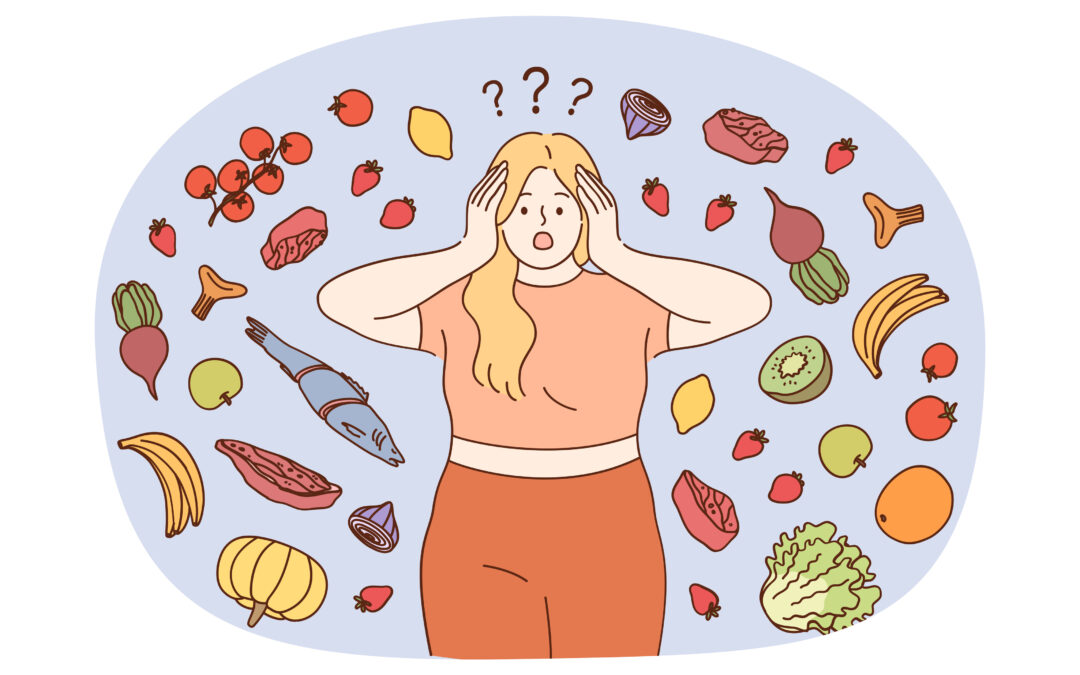
In recent years, the language of dieting has shifted. “Weight loss” has been replaced with “wellness,” and calorie counting has given way to “clean eating,” “detoxing,” and “anti-inflammatory” regimens.
Wellness diets appear to offer a healthier, more holistic approach to eating than traditional weight loss plans. Look closer, however, and you’ll find that many wellness plans are scarcely better than their weight-focused predecessors, with similar risks, costs, and dubious promises.
Moreover, even if weight loss is not their stated primary goal, wellness diets often subtly promise weight loss. For example, they may promote before-and-after photos and use coded language like “reduce bloat,” “reset your metabolism,” or “achieve your healthiest body,” which are commonly understood to mean losing weight.
What Are Wellness Diets?
Wellness diets are eating patterns marketed as paths to optimal health, disease prevention, and vitality. Unlike classic weight loss diets, which focus on the scale, wellness diets claim to promote overall well-being, mental clarity, balanced hormones, and even longevity.
Popular examples include:
- Whole30: A 30-day elimination diet excluding sugar, grains, dairy, and legumes.
- Paleo: Emulates the presumed diet of Paleolithic humans, cutting out grains, legumes, and most dairy.
- Keto: High-fat, very low-carb diet intended to induce ketosis.
- Raw Food Diet: Focuses on uncooked, unprocessed foods.
- Detox Diets: Short-term regimens promising to “cleanse” the body, often through juices or restrictive meal plans.
- Anti-Inflammatory Diets: Avoiding foods believed to cause inflammation, such as gluten, dairy, and sugar.
- Gluten-Free (without medical need): Eliminating gluten for perceived health benefits.
These diets are often promoted by influencers and wellness brands, promising not just health, but a sense of moral superiority for adhering to “pure” or “clean” eating.
I’m not saying you shouldn’t enjoy any of the food patterns listed here if they come to you easily and naturally. What concerns me is when food rules are rigid and driven by a quest for perfection.
One of the most insidious aspects of wellness diets is the obsession with nutritional correctness: the belief that there is a single, perfect way to eat. This pursuit of dietary optimization can easily slide into health perfectionism, where every food choice is scrutinized for its potential to boost or sabotage one’s well-being.
This mindset is not only unrealistic, but can also be psychologically damaging. The constant pressure to make the “right” choices can lead to anxiety, guilt, and social isolation. It can also foster a sense of failure when, inevitably, perfection proves unattainable.
Orthorexia: When “Healthy” Turns Harmful
Wellness diets often encourage the elimination of entire food groups and strict adherence to a set of rules. For some, this can spiral into orthorexia, an unhealthy preoccupation with eating foods perceived as healthy, pure, or “correct”.
While not yet an official diagnosis in the DSM-5, the manual for diagnosing mental health disorders, orthorexia is recognized as a disordered eating pattern, with symptoms including:
- Compulsive checking of ingredient lists and nutrition labels
- Cutting out increasing numbers of food groups
- Distress or anxiety when “healthy” foods aren’t available
- Inability to eat foods not deemed “clean”
Orthorexia can lead to nutritional deficiencies, malnutrition, and a reduced quality of life. It often coexists with or evolves into other eating disorders, such as anorexia or bulimia, and is linked to heightened anxiety, obsessive-compulsive traits, and social withdrawal. (More on orthorexia here.)
The High Cost of Wellness Plans
What’s more, wellness diets frequently come with a hefty price tag. Organic produce, grass-fed meats, pastured eggs, specialty supplements, “adaptogenic” elixirs, and “superfoods” are expensive. For many, following a wellness diet is simply unaffordable.
Furthermore, wellness diets encourage users to acquire costly gadgets like smart watches, bands, straps, rings, scales, continuous glucose monitors and even mattresses! These have sensors to track your every bodily function (George Orwell sends his regards).
Add to the tab a dizzying array of wellness therapies, many with unproven benefits or safety data, like intravenous infusions of vitamins and minerals, colonics, red light and cold-exposure therapies, DNA and microbiome testing, and more.
Gone are the days when all you needed to restore your flagging spirits was a hot shower, a hearty meal and a good night’s sleep.
Dubious Evidence for Health Benefits
Despite their popularity, the scientific evidence supporting the sweeping health claims of most wellness plans is weak at best:
- Whole30 and Paleo: There’s little evidence that eliminating food groups like grains, legumes, or dairy improves health for most people. In fact, these foods are linked to reduced risk of heart disease and diabetes due to the essential nutrients and fiber they contain.
- Keto: While effective for certain medical conditions, like epilepsy or certain types of brain tumors, long-term safety and benefits for the general population are unproven, and the diet can lead to nutrient deficiencies and a highly restrictive mindset.
- Detox Diets: The body already has effective detoxification systems: liver, kidneys, intestines, lungs, skin, and lymphatic system. There’s no credible evidence that juice cleanses or detox teas remove toxins or improve health. In fact, they may even be dangerous to your health.
- Raw Food Diet: Cooking increases the bioavailability of many nutrients and reduces the risk of foodborne illness. Strict raw diets can cause deficiencies in protein, vitamin B12, iron, and calcium.
- Anti-Inflammatory Diets: While some foods may influence inflammation, the evidence for cutting out broad categories of foods is weak unless you have a diagnosed intolerance.
Many wellness diets rely on anecdote, testimonials, and the “halo effect” of natural or unprocessed foods, rather than robust clinical research. Even plans that show some benefit often require long-term adherence and may be no more effective than balanced, flexible eating patterns featuring a wide variety of whole foods.
Is There a Better Way?
Instead of chasing the ever-moving target of wellness, consider a more balanced, flexible approach:
- Practice mindful eating: Listen to your body’s hunger and fullness cues. Become aware of your eating triggers and address these. Slow down and savor your food. (Find out about my online Mindful Eating Group Programs here.)
- Include all food groups: Unless you have a medical reason to avoid a food, variety is key.
- Prioritize joy and connection: Food is about nourishment, but also culture, pleasure, and community.
Wellness diets may promise more than weight loss diets, but they often deliver the same anxieties, restrictions, and disappointments, sometimes at a higher cost financially and emotionally.
The relentless pursuit of nutritional perfection can undermine both physical and mental health, and the evidence for their supposed benefits is often shaky at best. True wellness isn’t found in a diet. It’s found in balance, self-compassion, and living fully.
Yes and yes! Thank you for this great post Conner! Food restriction is completely unsustainable and counterproductive.
Thank you for your full-throated support, Dana! We’re all in this together. 🙂
Hi,
Would you consider changing the font for these missives? Sans serif fonts are harder for the eye to track, especially as we age. Something like Times New Roman is a good choice.
Thanks for considering this.
Hi, Hans; thanks for pointing this out. I may not be able to change the font across the website, but I could try to tweak the color so it’s a little darker. I’ll keep you posted.