
When people think of exercise, the first things that come to mind are weight loss, toned muscles, or maybe running a faster mile. The real magic of movement goes deeper, and broader, than what you see in the mirror or on the scale.
There are well known cardiometabolic benefits to exercise: improved insulin sensitivity and glucose control, lower blood pressure, improved immune function, better lipid profiles, and reduced liver fat, to name but a few.
But there are benefits some of us don’t know about; many an exercise-phobe might give physical activity a try if they knew about them. Here are 8 underrated, evidence-backed benefits of exercise that deserve your attention.
1. Exercise Supercharges Your Brain
Exercise is a powerful tool for your brain. Physical activity increases blood flow to the brain, boosts the growth of new neurons, and enhances the release of brain-derived neurotrophic factor, a protein that helps repair and protect brain cells. Studies show that regular exercise improves memory, learning, and executive function, including in people with Attention Deficit Hyperactivity Disorder. Outdoor exercise offers even greater cognitive benefits than indoor workouts.
2. It’s a Natural Mood Enhancer
Feeling stressed, anxious, or blue? Exercise is a proven mood enhancer. When you move, your brain releases a cocktail of feel-good chemicals – serotonin, dopamine, endorphins, and norepinephrine – that lighten your mood and relieve stress. Many studies (such as this one and this one) have found that regular physical activity can reduce symptoms of depression, anxiety, and distress, and even a single session can provide an emotional reset.
3. It Boosts Energy
It may sound counterintuitive, but regular movement increases your stamina and energy by improving blood flow, oxygen delivery, and the release of energizing neurotransmitters like dopamine and serotonin. A 2022 meta-analysis of 81 randomized controlled trials found that exercise significantly increased feelings of energy, enhanced vitality, and decreased fatigue. These effects were observed across various exercise types and intensities.
4. Your Immune System Gets an Upgrade
Regular movement mobilizes immune cells and dampens systemic inflammation, which together help your body fend off illness. Research shows that people who exercise consistently have lower levels of inflammatory biomarkers, such as C-reactive protein and interleukin-6 – independent of body fat stores (which some believe contribute to inflammation). This means your body is better prepared to fight off infections and chronic disease.
5. Faster Recovery from Illness & Injury
Exercise is a powerful tool in rehabilitation for people recovering from serious conditions like stroke or heart failure. In people undergoing cancer treatment, even gentle physical activity can help alleviate treatment-related side effects, reducing fatigue, improving function, supporting treatment completion, and enhancing overall quality of life. There is promising data that exercise may enhance the effectiveness of cancer therapies. And in people with traumatic brain injury, physical activity is a valuable component of rehabilitation, promoting neuroplasticity and functional improvements.
6. It Can Help You Live Longer
Physical activity isn’t just linked to living longer; it’s about living better. Large cohort studies and reviews show that regular exercisers are less likely to die from any cause: heart disease, cancer and other chronic illnesses. One study found that lifelong exercise is associated with a longer health span, delaying the onset of 40 chronic conditions/diseases. Moderate exercise, in particular aerobic activity, is thought to slow the shortening of telomeres, the protective caps on your chromosomes, helping you age more slowly at the cellular level. The more you move, the lower your risk of premature death.
7. It Deepens Your Sleep
Struggling with restless nights? Exercise can help. Regular physical activity promotes relaxation, reduces stress, and helps you fall asleep faster and enjoy deeper, more restorative sleep, research indicates. Outdoor exercise, ideally in the morning, may be particularly helpful by exposing you to natural light, which helps regulate circadian rhythms and supports better sleep quality and duration.
8. Movement Strengthens Social Connections and Self-Compassion
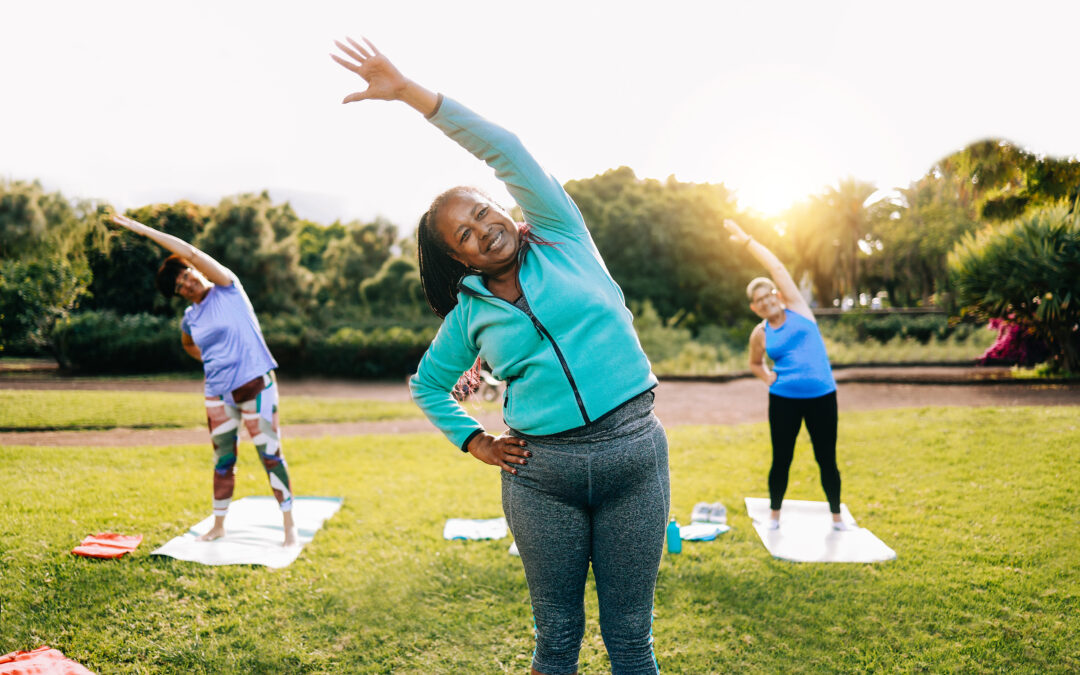
Exercise is a fantastic way to connect with others and yourself. Whether you join a fitness class, take a walk with a friend, or hike in nature, these shared experiences can lift your spirits and foster a sense of belonging. Plus, engaging in joyful movement, rather than punishing workouts, can help you develop a more positive relationship with your body and more sustainable exercise habits, research indicates.
The Takeaway
Exercise is so much more than a tool for weight management or building muscle. It’s a way to sharpen your mind, lift your mood, strengthen your immune system, deepen your sleep, and even extend your life. Whether you’re dancing in your living room, hiking in the woods, or just taking the stairs, every bit of movement counts and the benefits go far beyond what you can see.
So next time you’re lacing up your sneakers, remember: you’re not just working out for your body, but for your brain, your mood, your immune system, your future self, and your community. That’s a lot of return on investment for a little movement each day.