
We plan big things: weddings, work projects, cruises, retirement. When it comes to the single most important activity keeping us alive—eating—we often wing it. We’re busy until suddenly we feel famished and grab whatever is quickest or closest, hoping it will be “good enough.” Sometimes it is. Just as often, we end up unsatisfied or wondering why feeding ourselves feels so stressful.
At the risk of sounding preachy, a little forethought might help. Planning your meals has nothing to do with dieting or conforming to rigid rules. What I’m talking about here is creating just enough structure so that nourishing yourself becomes easier. Choose a few meals ahead of time, stock what you need, and sketch a loose structure for the week turning “OMG what’s for dinner?” into “No worries, I’ve got this.”
Why plan?
Research suggests that people (even college students!) who plan meals eat a wider variety of foods and have better overall diet quality. Planning helps families stretch their food budgets, prioritize nutrient-dense foods, and reduce waste. Public health and nutrition resources consistently list meal prep and planning as practical ways to save money, save time, and reduce stress around eating.
Meal planning can:
- Prioritize nutrients you need: You can deliberately build in foods that provide an important contribution to your well-being, such as:
- Calcium-rich foods to support healthy bones,
- Protein to rebuild or maintain muscle,
- Fiber to ease constipation or lower cholesterol, and
- omega-3 rich fish for heart and brain health.
- Less stress and decision fatigue: We make dozens of food decisions every day, and constant choice is exhausting. Deciding in advance what “future you” will eat reduces that load. Instead of negotiating with yourself five times between lunch and dinner, you simply follow through on a plan you made with a clearer head.
- Less waste, more money left over: When you shop with a list based on a plan, you’re more likely to use what you buy. That means fewer impulse purchases, fewer duplicate items, less money spent, and fewer “mystery leftovers” heading to the compost. (Check out the FDA’s food-waste prevention tips here.)
- Time invested becomes time saved: Spending 15 minutes a week on meal planning means you can shop once a week and cook two or three times, then repurpose leftovers and components (grains, roasted vegetables, a pot of beans) on other days – easily saving hours (and mental energy).
Planning isn’t cooking every day
Meal planning isn’t code for “cook three meals a day from scratch.” It means being intentional about what, where and when you might like to eat. A realistic plan can include:
- Dinner at a favorite restaurant and ordering an additional dish or two to take home – a.k.a. next day’s dinner
- A take-out or delivery meal from an eatery that fits your dietary needs and preferences
- Stocking ready meals, store-bought or homemade, in the freezer for busy times
The point is to make decisions ahead of time, in line with your values and constraints, rather than in a state of fatigue and urgency.
A simple way to meal-plan
You don’t need color-coded spreadsheets. Try this light-touch approach:
- Set your intention: Once a week (Sunday evening often works well), sit down with your partner, your family, or with yourself, and ask: what do you want food to do for you this week? Answers might include: “Have at least one vegetable at dinner most nights,” “Eat fish more often,” or “Make evenings feel calmer.”
- Consult your calendar: Do you have a late meeting? Plan leftovers, breakfast-for-dinner, or something from the freezer. Quiet Sunday? Maybe that’s when you roast a chicken (or two) or cook a pot of beans you can reuse.
- Check your fridge, pantry & freezer: You might have delicious leftovers that can be repurposed, or frozen chicken that could make a tasty curry. Write these in your meal plan. To save time, money, and reduce waste, use up foods you already have before buying new ones.
- Involve your household: Ask them for ideas. Teens, especially, are more likely to eat meals they’ve suggested or helped prepare. Let people nominate a favorite meal or ingredient (and let them volunteer to prepare it or help with cleanup). For recipe ideas, feel free to consult the 160+ Mediterranean recipes on my website that are, for the most part, quick & easy to prepare and packed with nutrients and flavor.
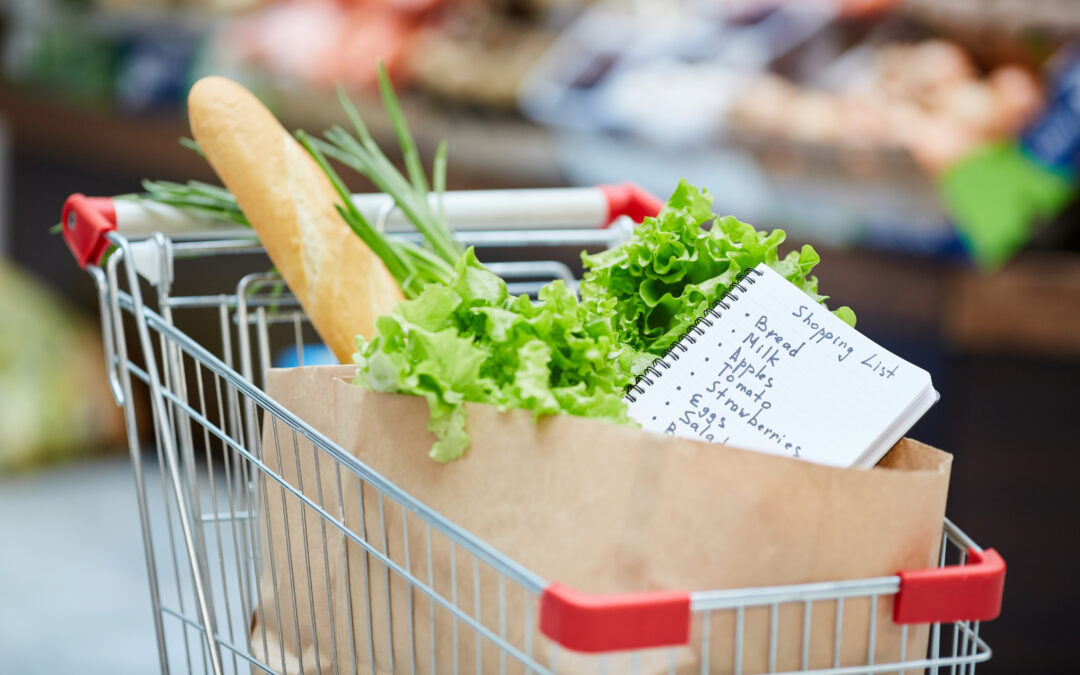
- Make a shopping list from the plan: Include ingredients for planned meals plus flexible staples for breakfasts and lunches: yogurt, fruit, bread, eggs, oats, salad greens, cans of beans, nuts. Then shop once, knowing you’ve covered your bases.
I have designed a meal-planning template that I use with my coaching clients. If you’d like to learn how to use it and obtain your own blank copy, I invite you to attend a Community Conversation on Savor on February 20 (RSVP for the morning session here or the afternoon session here).
Mediterranean Meal Prompts (not plans)
If you’ve ever tried to follow a strict meal plan, you already know: nobody likes being told what to eat and when. Rigid plans don’t leave room for changing appetites, shifting schedules, cravings, or the weather.
On the other hand, without exposing ourselves to fresh ideas, we often get caught in food ruts where every meal tastes like every other.
That’s why I will start sharing monthly Mediterranean Meal Prompts on Savor starting this month. They will offer three suggestions each for breakfast, lunch and dinner (and some yummy treats and snacks) with links to recipes on my website and elsewhere. You don’t have to follow them slavishly; but as you look at them, you might find yourself thinking: “Mmmmh, overnight oats could make a nice change from my daily scrambled eggs.”
Plan and then let life happen
Life will sometimes sabotage the best-laid meal plan. You’re invited to dinner at your in-laws after you’ve been shopping. You work late and end up eating oatmeal for dinner. The weather flips and salad sounds better than stew. That’s not failure; that’s life.
Don’t sweat it. Most foods can be repurposed. Vegetables meant for roasting can become a soup or frittata. Meat can be frozen. Beans can slide into a stew or a salad next week instead of tacos tonight.
Whether you use my prompts or plan your own favorite meals, once you get in the planning habit, you’ll find that intentional eating isn’t about a rigid script. It’s planing enough that your default, most of the time, is a satisfying, nourishing meal that supports your whole, vibrant life.
Hi Conner,
This sounds like a fabulous idea to approach meal planning in an efficient way. I will sign up. Thank-you
Karen
Great! I look forward to seeing you, Karen! 🙂